
Introduction
Uganda is a land of diverse cultures, stunning landscapes, and rich traditions. Among its many cultural treasures, the Manyatta stands out as an iconic symbol of traditional African life, particularly among the pastoral communities. If you are seeking an authentic cultural experience, learning about Manyatta is a must.
What is a Manyatta?
A Manyatta is a traditional homestead commonly found among Uganda’s pastoral communities, especially the Karamojong, Sabiny, and other pastoralist tribes in the northeastern part of the country. These structures are simple yet functional, designed to provide shelter for families and livestock while reflecting the community’s rich cultural heritage.
Manyattas are usually circular or rectangular huts, built using locally available materials such as mud, sticks, grass, and cow dung. Their design is highly practical: the thick mud walls keep the interior cool during hot days, while the grass thatched roof protects against heavy rains.
The Cultural Significance of Manyatta
Manyattas are more than just homes—they represent a way of life. They reflect the social structure, traditions, and values of the communities. For instance:
- Family-centered living:Multiple generations often live together in a Manyatta, fostering strong family ties.
- Community cooperation:Construction and maintenance are typically done collaboratively by the community, reflecting unity.
- Livelihood reflection:The design of Manyatta often includes spaces for livestock, as cattle herding is central to pastoral life.
Visiting a Manyatta
For tourists, visiting a Manyatta offers a unique glimpse into Uganda’s cultural heritage. You can:
- Learn traditional building techniques.
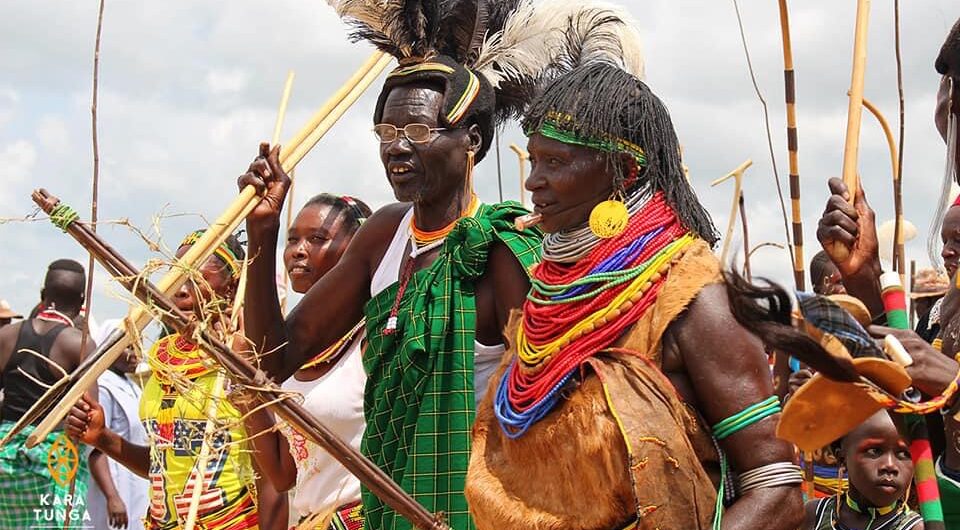
- Experience traditional food and attire.
- Participate in cultural dances and storytelling sessions.
- Understand the daily routines and survival strategies of pastoral communities.
Tip: Always ask for permission before visiting, and consider hiring a local guide to enhance your experience while respecting cultural boundaries.
Manyatta and Tourism in Uganda
Manyatta homesteads have become part of Uganda’s cultural tourism circuits, especially in regions like Karamoja. Cultural tourism not only preserves these traditional ways of life but also provides economic support to local communities. Visitors can enjoy authentic experiences while contributing to the sustainability of the culture.
Conclusion
The Manyatta is more than just a home—it is a window into Uganda’s rich cultural tapestry. Exploring a Manyatta offers insight into traditional lifestyles, community values, and the resilience of pastoral communities. If you want an authentic Ugandan experience beyond national parks and wildlife, a visit to a Manyatta is an unforgettable journey into history, culture, and tradition.
Comments