
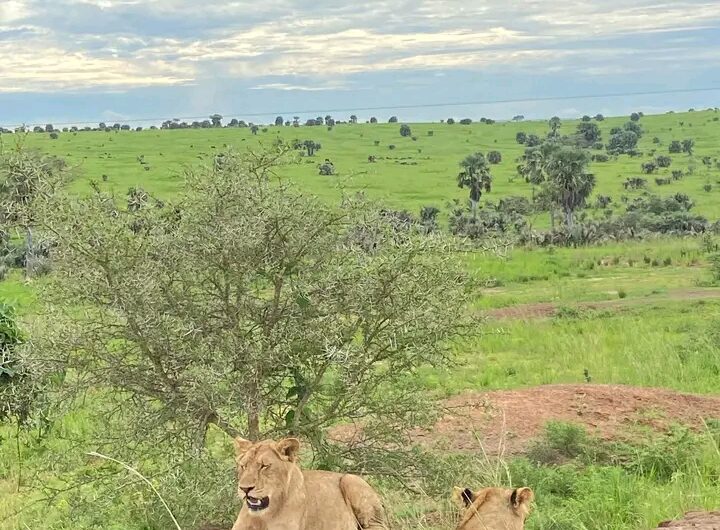
Maasai Mara National Reserve: The Ultimate Guide to Kenya’s Wildlife Safari
The Maasai Mara National Reserve is one of Africa’s most famous wildlife destinations and a spectacular place to experience the beauty of Kenya. Located in southwestern Kenya along the Great Rift Valley, the reserve is known for its vast grasslands, abundant wildlife, dramatic landscapes and the annual Great Migration.
A Maasai Mara safari offers opportunities to see some of Africa’s most iconic animals, including lions, elephants, leopards, cheetahs, buffaloes, giraffes and large herds of wildebeest and zebras. Beyond wildlife, visitors can experience Maasai culture, explore the savannah with experienced guides and enjoy unforgettable African sunsets.
Whether you are planning your first Kenya safari, a family holiday, a honeymoon or a longer East African adventure, Maasai Mara is a destination worth considering.
Where Is Maasai Mara National Reserve?
Maasai Mara National Reserve is located in southwestern Kenya, close to the border with Tanzania. It forms part of the greater Mara-Serengeti ecosystem, which extends southward into Tanzania’s Serengeti National Park.
The reserve covers expansive savannah plains, rolling hills, seasonal rivers and acacia-dotted landscapes. Its location within the Mara-Serengeti ecosystem makes it an important habitat for large populations of wildlife.
The reserve can be accessed by road from Nairobi, while travelers who want to reduce driving time can use scheduled or chartered flights to nearby airstrips.
Why Visit Maasai Mara?
There are many reasons why travelers choose Maasai Mara for a Kenya wildlife safari.
1. Exceptional Wildlife Viewing
The reserve supports a wide variety of wildlife throughout the year. Game drives can provide sightings of lions, cheetahs, leopards, elephants, buffaloes, giraffes, hippos, crocodiles and numerous antelope species.
The open savannah makes wildlife viewing particularly rewarding because animals can often be observed from a distance without dense vegetation blocking the view.
2. The Great Migration
One of the most famous natural spectacles associated with the Maasai Mara is the Great Migration.
Millions of wildebeest, accompanied by large numbers of zebras and other grazing animals, move through the Mara-Serengeti ecosystem in search of fresh grazing and water.
The exact timing and location of the animals vary from year to year because the migration follows rainfall and environmental conditions. The Mara River crossings are among the most dramatic events associated with the migration, but they should never be guaranteed on a safari.
3. The Big Cats
Maasai Mara is particularly well known for sightings of large African predators.
Lions are commonly encountered across the savannah, while cheetahs can sometimes be seen hunting or resting in open grasslands. Leopards are more elusive and may be found around areas with thicker vegetation or near riverine habitats.
Seeing these predators in the wild is one of the highlights of a Maasai Mara safari.
4. Beautiful African Landscapes
Maasai Mara is not only about wildlife. The landscape itself is part of the experience.
Wide grasslands stretch toward distant hills, while isolated acacia trees create the classic East African safari scenery. Early morning and evening light can transform the plains into spectacular photographic landscapes.
Wildlife You Can See in Maasai Mara
A safari in Maasai Mara can offer sightings of a wide range of animals.
Some of the commonly sought-after species include:
- Lions
- Leopards
- Cheetahs
- African elephants
- African buffaloes
- Giraffes
- Zebras
- Wildebeest
- Hippos
- Crocodiles
- Hyenas
- Warthogs
- Thomson’s gazelles
- Impalas
- Topis
- Elands
- Various bird species
Wildlife sightings are naturally unpredictable, so no safari operator can guarantee that every species will be seen.
Best Time to Visit Maasai Mara
Maasai Mara can be visited throughout the year, although different seasons provide different safari experiences.
The dry periods are generally popular because wildlife can be easier to locate around water sources and the vegetation may be less dense.
The period associated with the Great Migration attracts many visitors hoping to witness large herds moving through the ecosystem. However, migration movements depend on rainfall and grazing conditions, meaning the animals do not follow an exact calendar every year.
The wetter months can bring greener landscapes, fewer visitors in some areas and excellent opportunities for photography and bird watching.
For the best travel dates, it is useful to consider your priorities: wildlife viewing, migration, photography, bird watching, budget or fewer crowds.
Maasai Mara Game Drives
Game drives are the main way to explore the reserve.
Early morning game drives are particularly popular because temperatures are cooler and many animals are active. An afternoon game drive can continue until sunset, offering another opportunity to search for wildlife.
Your guide plays an important role by helping identify animals, explaining their behavior and navigating the reserve responsibly.
A private safari vehicle can also provide greater flexibility, especially for travelers who want to spend more time photographing wildlife or follow a particular interest such as big cats.
Maasai Culture and Community Experiences
A visit to Maasai Mara can also provide an opportunity to learn about the culture and traditions of Maasai communities living around the reserve.
Depending on the experience selected, visitors may learn about traditional homes, dances, crafts, livestock keeping and aspects of Maasai cultural heritage.
Responsible tourism is important when visiting communities. Travelers should choose experiences that respect local traditions and provide fair benefits to the communities involved.
Where to Stay in Maasai Mara
Accommodation around Maasai Mara ranges from luxury safari lodges and tented camps to mid-range and budget camps.
Your choice of accommodation can depend on:
- Budget
- Location
- Preferred comfort level
- Private or shared safari
- Family or honeymoon requirements
- Proximity to wildlife areas
- Number of nights
Staying closer to the reserve can reduce the amount of time spent traveling between your accommodation and the areas you want to explore.
How Many Days Do You Need in Maasai Mara?
For a first-time visitor, 3 days and 2 nights can provide a good introduction to the reserve.
A longer stay of 4 days or more gives you additional opportunities for game drives and allows more flexibility if you are particularly interested in photography, predators or the Great Migration.
Maasai Mara can also be combined with other Kenyan destinations such as Amboseli, Lake Nakuru and Samburu.
For travelers interested in a larger East African adventure, Maasai Mara can be combined with destinations in Uganda or Tanzania.
Maasai Mara and Serengeti
Maasai Mara and Tanzania’s Serengeti National Park form part of the same larger ecosystem.
The two destinations are particularly important for the Great Migration, although the experience differs depending on the time of year and where the herds are located.
A cross-border safari can combine Kenya and Tanzania, allowing travelers to experience different landscapes, wildlife areas and cultural experiences in one East African journey.
What to Pack for a Maasai Mara Safari
Packing for a safari should focus on comfort and practicality.
Recommended items include:
- Lightweight clothing
- A warm layer for early mornings
- Comfortable walking shoes
- Hat and sunglasses
- Sunscreen
- Insect repellent
- Camera and extra batteries
- Binoculars
- Reusable water bottle
- Personal medications
- Small daypack
Neutral-colored clothing can also be useful for safari activities.
Responsible Tourism in Maasai Mara
Responsible travel helps protect wildlife and supports local communities.
During your safari, follow your guide’s instructions, maintain a respectful distance from animals, avoid littering and never attempt to feed wildlife.
Travelers can also support local communities by choosing responsible cultural experiences, locally operated businesses and accommodation providers that contribute to conservation and community development.
Planning Your Maasai Mara Safari
A successful Maasai Mara safari starts with choosing the right travel dates, accommodation, vehicle and safari activities.
When planning your trip, consider:
Travel season: Decide whether your priority is migration, general wildlife viewing, photography or lower visitor numbers.
Safari duration: Two nights can provide an introduction, while longer stays allow more exploration.
Accommodation: Choose accommodation according to your budget and preferred location.
Transport: Road safaris provide a scenic journey, while flights can significantly reduce travel time.
Safari style: Private safaris provide flexibility, while shared safaris can be more economical.
Experience the Magic of Maasai Mara
The Maasai Mara National Reserve offers one of the most memorable wildlife experiences in East Africa. From wide-open savannahs and powerful big cats to enormous herds of wildebeest and rich Maasai culture, the reserve provides much more than a traditional game drive.
Whether you visit during the Great Migration or another season, the Mara offers opportunities to experience Kenya’s wildlife and landscapes in a remarkable natural setting.
If you are planning a Maasai Mara safari, a well-designed itinerary can combine the reserve with other destinations in Kenya, Uganda or Tanzania to create a broader East African safari experience.