
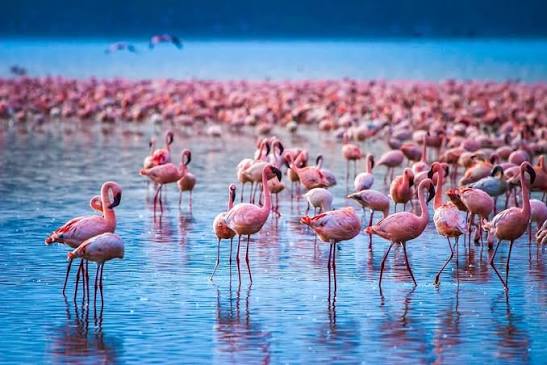
Lake Nakuru National Park is one of Kenya’s most scenic wildlife destinations, located in the Great Rift Valley near the city of Nakuru. The park is famous for its beautiful lake, rhinos, diverse wildlife, birdlife and dramatic landscapes.
Once widely associated with enormous flocks of flamingos, Lake Nakuru remains an important wetland and birding destination. Today, the park is also particularly known for its populations of black and white rhinoceros, making it an important stop on a Kenya wildlife safari.
With its relatively compact size and location between Nairobi and other major safari destinations, Lake Nakuru can easily be included in a multi-destination Kenya safari.
Where Is Lake Nakuru National Park?
Lake Nakuru National Park is situated in Kenya’s Great Rift Valley, approximately 160 kilometers northwest of Nairobi.
The park surrounds Lake Nakuru and includes a mixture of open grasslands, woodland, rocky escarpments and forested areas.
Its location makes it a convenient stop for travelers combining destinations such as Nairobi, Lake Naivasha, Maasai Mara and other parts of Kenya.
Why Visit Lake Nakuru National Park?
Lake Nakuru offers a different experience from Kenya’s larger savannah reserves.
1. Rhino Viewing
One of the main attractions of Lake Nakuru National Park is its rhino population.
Both black rhinoceros and white rhinoceros can be found in the park. Their presence makes Lake Nakuru an important destination for travelers interested in seeing these endangered and threatened large mammals.
With an experienced guide, visitors have opportunities to search for rhinos during game drives while maintaining a respectful distance.
2. Bird Watching
Lake Nakuru is an important bird habitat and attracts a wide variety of species.
Depending on the season and water conditions, visitors may see flamingos, pelicans, African fish eagles, herons, storks and many other waterbirds and savannah species.
The lake and surrounding vegetation provide excellent opportunities for bird photography.
3. Beautiful Rift Valley Scenery
The park’s location in the Great Rift Valley gives it dramatic scenery.
The lake is surrounded by hills, escarpments, woodland and open plains. Viewpoints around the park provide opportunities to appreciate the landscape and photograph the lake from above.
Wildlife in Lake Nakuru National Park
Lake Nakuru supports a variety of wildlife.
During game drives, you may encounter:
- White rhinoceros
- Black rhinoceros
- Lions
- Leopards
- African buffaloes
- Rothschild’s giraffes
- Zebras
- Waterbucks
- Warthogs
- Impalas
- Baboons
- Hyenas
- Hippos
- Various antelope species
The park is also known for its rich birdlife.
As with all wildlife destinations, sightings are not guaranteed and depend on animal movements, weather and seasonal conditions.
Flamingos at Lake Nakuru
Flamingos have historically been one of the most recognizable attractions of Lake Nakuru.
Large concentrations of flamingos can sometimes be seen around the lake, particularly when water and food conditions are suitable. However, flamingo numbers can change considerably because of fluctuations in water levels, food availability and other environmental factors.
For this reason, travelers should not expect the enormous flamingo gatherings shown in some older photographs on every visit.
Nevertheless, Lake Nakuru remains a rewarding destination for bird watching and wildlife viewing.
Game Drives in Lake Nakuru
Game drives are the best way to explore Lake Nakuru National Park.
Morning drives provide opportunities to search for wildlife when temperatures are cooler. Afternoon drives can offer further opportunities to explore different sections of the park.
The park’s relatively compact size makes it possible to visit several habitats within a short safari.
A knowledgeable guide can help locate wildlife and explain the park’s ecosystem, animals and bird species.
Rothschild’s Giraffes
Lake Nakuru is also known for its population of Rothschild’s giraffes.
These giraffes are among the wildlife species that visitors may encounter while exploring the park. Their distinctive appearance and impressive height make them popular subjects for safari photography.
Makalia Falls
Makalia Falls is another attraction within the Lake Nakuru area.
The waterfall can be particularly impressive after periods of rainfall, although water flow varies according to seasonal conditions.
A visit to Makalia Falls can be combined with a game drive and other sightseeing activities within the park.
Baboon Cliff Viewpoint
Baboon Cliff provides a scenic viewpoint overlooking Lake Nakuru and the surrounding landscape.
It is a popular location for taking photographs and appreciating the scale of the Rift Valley environment.
Travelers should remain aware of wildlife and follow their guide’s instructions when stopping at viewpoints.
Best Time to Visit Lake Nakuru National Park
Lake Nakuru can be visited throughout the year.
The dry seasons can provide good conditions for wildlife viewing because vegetation may be less dense and animals can be easier to locate.
The wet seasons bring greener landscapes and can provide excellent opportunities for bird watching and photography.
Flamingo numbers and lake conditions can change throughout the year, so travelers specifically interested in flamingos should check current conditions when planning their trip.
How Many Days Do You Need in Lake Nakuru?
For many travelers, 1–2 days is enough to explore Lake Nakuru National Park.
A one-day visit can include game drives and major viewpoints, making the park a convenient stopover between Nairobi and Maasai Mara.
Spending two nights allows more time for wildlife viewing and a more relaxed safari experience.
Lake Nakuru can easily be combined with:
- Maasai Mara National Reserve
- Amboseli National Park
- Lake Naivasha
- Nairobi National Park
- Samburu National Reserve
- Tsavo East National Park
- Tsavo West National Park
Lake Nakuru and Maasai Mara Safari
Lake Nakuru and Maasai Mara are frequently combined on Kenya safari itineraries.
Lake Nakuru provides opportunities to see rhinos, Rothschild’s giraffes, birds and Rift Valley scenery, while Maasai Mara is particularly famous for big cats, large herds of wildlife and the Great Migration.
Combining the two destinations allows travelers to experience different ecosystems within Kenya.
Where to Stay Around Lake Nakuru
Travelers can choose from lodges, tented camps, hotels and other accommodation options around Lake Nakuru and the wider Nakuru area.
When selecting accommodation, consider:
- Budget
- Location
- Level of comfort
- Family or honeymoon requirements
- Access to the park
- Number of nights
Staying close to the park can maximize the time available for game drives.
What to Pack for a Lake Nakuru Safari
A Lake Nakuru safari requires comfortable clothing suitable for changing temperatures.
Recommended items include:
- Lightweight clothing
- Warm jacket for early mornings
- Comfortable walking shoes
- Hat
- Sunglasses
- Sunscreen
- Insect repellent
- Binoculars
- Camera
- Extra batteries or power bank
- Reusable water bottle
- Personal medications
- Small backpack
Binoculars are particularly useful for bird watching.
Responsible Tourism at Lake Nakuru
Responsible tourism plays an important role in protecting wildlife and the park’s ecosystem.
Visitors should follow park regulations, remain inside designated areas, maintain a safe distance from animals and avoid disturbing wildlife.
Do not feed animals or leave litter behind. Travelers can also contribute to conservation by using responsible tour operators and supporting businesses that respect the environment and local communities.
Planning Your Lake Nakuru Safari
Before booking your safari, consider your travel dates, preferred accommodation and the other destinations you want to visit.
Lake Nakuru works particularly well as part of a circuit through Kenya’s Great Rift Valley.
A sample itinerary could include:
Day 1: Nairobi – Lake Nakuru
Day 2: Lake Nakuru – Maasai Mara
Day 3–4: Maasai Mara
Day 5: Maasai Mara – Nairobi
Alternatively, Lake Nakuru can be combined with Amboseli, Lake Naivasha or other Kenyan destinations depending on the length of your trip.
Experience Lake Nakuru National Park
Lake Nakuru National Park offers a combination of wildlife, birdlife, scenic landscapes and conservation experiences that make it an important part of a Kenya safari.
From searching for black and white rhinos to photographing giraffes and birds beside the lake, visitors can experience a diverse range of wildlife within a relatively compact destination.
Whether you are planning a short Kenya safari or a longer East African adventure, Lake Nakuru National Park is a destination worth including in your itinerary.