
Tsavo National Park: Complete Guide to Kenya Safari
Tsavo National Park is one of Kenya’s most famous wildlife destinations and one of the largest protected areas in the country. Known for its vast wilderness, red-dusted landscapes, elephants, lions, and diverse wildlife, Tsavo offers travelers an authentic safari experience away from the busy city environment.
The park is divided into Tsavo East National Park and Tsavo West National Park, each offering different landscapes and wildlife experiences. Together, they form one of Kenya’s most important conservation areas.
Tsavo is also conveniently located between Nairobi and Kenya’s coastal destinations, making it an excellent addition to a safari combined with Mombasa, Diani Beach, or Amboseli National Park.
Where Is Tsavo National Park?
Tsavo National Park is located in southeastern Kenya, between Nairobi and the Kenyan coast.
The protected area is divided by the Nairobi–Mombasa railway and highway into two main sections:
- Tsavo East National Park
- Tsavo West National Park
Tsavo East is generally known for its expansive open landscapes and large elephant herds, while Tsavo West features more varied terrain, including hills, volcanic landscapes, springs, and rocky areas.
Why Visit Tsavo National Park?
Tsavo offers a different safari atmosphere from some of Kenya’s smaller and more heavily visited wildlife destinations.
Visitors come to Tsavo for:
- Large elephant herds
- Lions and other predators
- Vast wilderness landscapes
- Red-colored soil and dust
- Diverse wildlife
- Bird watching
- Scenic viewpoints
- Mzima Springs
- Lava formations
- Remote safari experiences
Its size also means that some areas can feel particularly wild and spacious.
Tsavo East National Park
Tsavo East is the larger and more open of the two sections.
The landscape includes extensive savannah plains, semi-arid bushland, seasonal rivers, and rocky areas. The park is particularly associated with its large elephant population.
The elephants of Tsavo are famous for their tendency to become covered in the park’s characteristic red soil, giving them a distinctive reddish appearance.
Tsavo West National Park
Tsavo West has a more varied landscape than Tsavo East.
The park contains volcanic hills, rocky terrain, forests, open plains, and natural springs. This diversity creates different habitats for wildlife and provides a scenic contrast to the open plains of Tsavo East.
One of the best-known attractions is Mzima Springs, where clear underground water emerges from the surrounding landscape.
Wildlife in Tsavo
Tsavo National Park supports a wide variety of wildlife.
Animals that may be encountered include:
- African elephants
- Lions
- Leopards
- African buffaloes
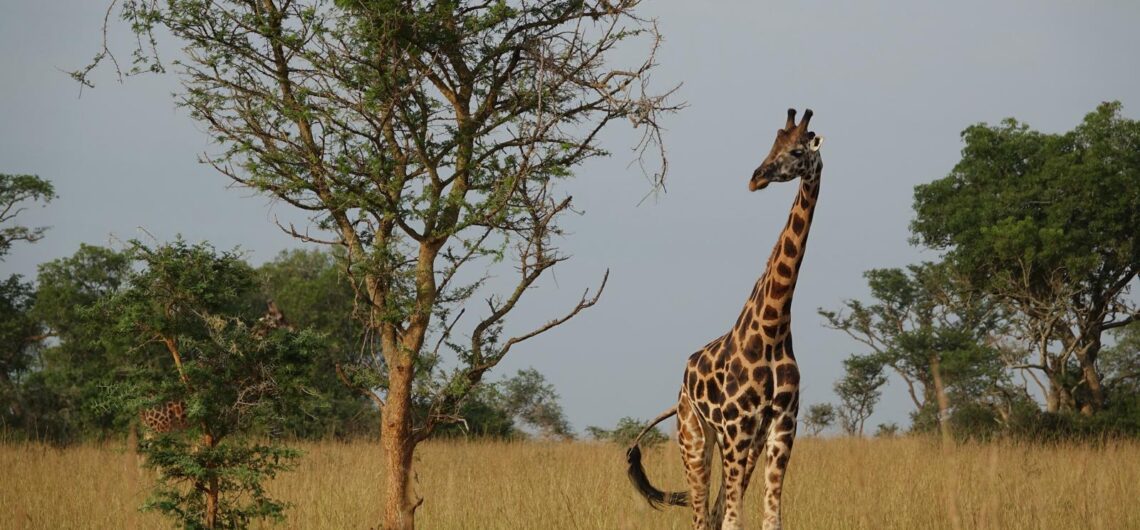
- Giraffes
- Zebras
- Wildebeest
- Hippos
- Warthogs
- Impalas
- Gazelles
- Elands
- Waterbucks
- Hyenas
- Crocodiles
Wildlife sightings depend on the season, weather, water availability, and the areas visited during game drives.
The Famous Tsavo Elephants
Elephants are among the main reasons travelers visit Tsavo.
The park supports large elephant populations, and seeing herds moving across the open savannah is one of the highlights of a Tsavo safari.
The red soil of Tsavo often covers the elephants as they dust themselves, creating the famous image of the “red elephants of Tsavo.”
Lions of Tsavo
Tsavo has a long association with lions.
The lions are an important attraction for visitors on game drives, although sightings are never guaranteed. Early morning and late afternoon drives can provide opportunities to search for predators when temperatures are cooler.
Tsavo’s lions also have a place in safari history because of the famous historical story of the man-eating lions of Tsavo from the late nineteenth century.
Today, visitors experience the lions as part of a protected wildlife ecosystem rather than the historical events associated with the railway construction era.
Mzima Springs
Mzima Springs is one of the major attractions in Tsavo West.
The springs are supplied by underground water and create a permanent water source within the park. The surrounding vegetation is greener than many of the park’s drier areas.
Visitors may have opportunities to see hippos, crocodiles, fish, and different bird species around the springs.
Chaimu Crater
Chaimu Crater is a volcanic feature in Tsavo West and provides an opportunity to experience the park’s geological landscape.
The area offers views across the surrounding wilderness and demonstrates the volcanic history that has shaped parts of the Tsavo ecosystem.
Shetani Lava Flows
Shetani Lava Flows are another interesting geological attraction in Tsavo West.
The dark volcanic formations contrast strongly with the surrounding vegetation and savannah, providing a different experience from traditional wildlife viewing.
The lava flows were formed by historical volcanic activity and are an important part of Tsavo’s distinctive landscape.
Bird Watching in Tsavo
Tsavo is also a rewarding destination for bird enthusiasts.
The park’s combination of savannah, woodland, wetlands, rivers, and rocky habitats supports many bird species.
Birds that visitors may encounter include:
- Ostriches
- Eagles
- Vultures
- Kori bustards
- Hornbills
- Kingfishers
- Storks
- Herons
- Egrets
- Weavers
Bird diversity can be particularly interesting during periods when migratory species are present.
Best Time to Visit Tsavo National Park
Tsavo can be visited throughout the year.
The dry seasons are often popular for wildlife viewing because vegetation can be thinner and animals may gather around available water sources.
During the wetter seasons, the landscape becomes greener and bird activity can increase. However, some roads may become more challenging depending on rainfall.
The best time depends on your preferred safari experience and the other destinations included in your Kenya itinerary.
How Many Days Do You Need in Tsavo?
A 2-day Tsavo safari can provide a good introduction to the park.
2 Days Tsavo East
A two-day itinerary can include:
- Arrival and afternoon game drive
- Overnight in or near the park
- Morning game drive
- Departure to the next destination
3 Days Tsavo Safari
Three days allow travelers to explore more extensively and potentially include both Tsavo East and Tsavo West.
A longer stay also provides additional opportunities for wildlife viewing and photography.
Tsavo East vs Tsavo West
Both sections offer excellent safari experiences but have different characteristics.
Tsavo East is associated with:
- Open savannah
- Large elephant herds
- Expansive wilderness
- Red-dust landscapes
- Wildlife-focused game drives
Tsavo West is known for:
- Mzima Springs
- Volcanic landscapes
- Rocky hills
- Shetani Lava Flows
- More varied scenery
Travelers with enough time can visit both sections for a more comprehensive Tsavo experience.
Combining Tsavo with Mombasa and Diani Beach
Tsavo is particularly convenient for travelers visiting Kenya’s coast.
A safari can be combined with a beach holiday in destinations such as Mombasa or Diani Beach.
For example:
Nairobi → Amboseli → Tsavo West → Tsavo East → Mombasa/Diani Beach
This type of itinerary combines wildlife viewing with a relaxing coastal holiday.
Combining Tsavo with Amboseli
Tsavo and Amboseli can also be combined into a longer southern Kenya safari.
Amboseli is famous for its elephants and views of Mount Kilimanjaro, while Tsavo offers a much larger wilderness environment with varied landscapes and wildlife.
A combined itinerary allows travelers to experience different ecosystems within southern Kenya.
Accommodation in Tsavo
Accommodation options around Tsavo include safari lodges, tented camps, permanent camps, and hotels outside the park.
The right choice depends on your budget, preferred comfort level, and whether you want to stay inside the park or outside its boundaries.
Staying inside or close to the park can make early morning and late afternoon game drives more convenient.
What to Pack for a Tsavo Safari
For a Tsavo safari, consider packing:
- Lightweight, comfortable clothing
- A warm layer for early mornings
- Comfortable closed shoes
- Sun hat
- Sunglasses
- Sunscreen
- Insect repellent
- Binoculars
- Camera and spare batteries
- Drinking water
- Personal toiletries
- Small daypack
Neutral-colored clothing is generally practical for safari activities.
Responsible Tourism in Tsavo
Responsible tourism is important for protecting Tsavo’s wildlife and ecosystems.
Visitors should:
- Follow park regulations
- Keep a safe distance from wildlife
- Never feed animals
- Avoid littering
- Remain inside designated vehicles where required
- Avoid making unnecessary noise
- Respect other visitors
- Follow the instructions of professional guides and park authorities
Supporting responsible safari operators and conservation initiatives can also contribute to the long-term protection of the park.
Why Tsavo National Park Is Worth Visiting
Tsavo National Park offers an opportunity to experience one of Kenya’s great wilderness areas.
From the red elephants of Tsavo East to the volcanic landscapes and Mzima Springs of Tsavo West, the park provides a combination of wildlife, scenery, history, and adventure.
Its location also makes it especially convenient for travelers who want to combine a Kenya safari with the beaches of the Indian Ocean coast.
Whether you choose Tsavo East, Tsavo West, or both, the park can be an important part of a southern Kenya safari itinerary.
Plan Your Tsavo National Park Safari
A Tsavo safari can be designed as a standalone wildlife experience or combined with Nairobi, Amboseli, Maasai Mara, Lake Nakuru, Mombasa, or Diani Beach.
With the right itinerary, travelers can enjoy game drives, wildlife photography, bird watching, scenic landscapes, and cultural experiences while exploring one of Kenya’s most iconic protected areas.